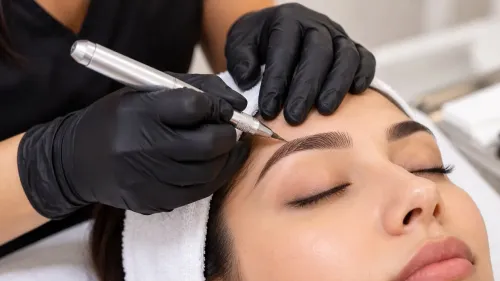


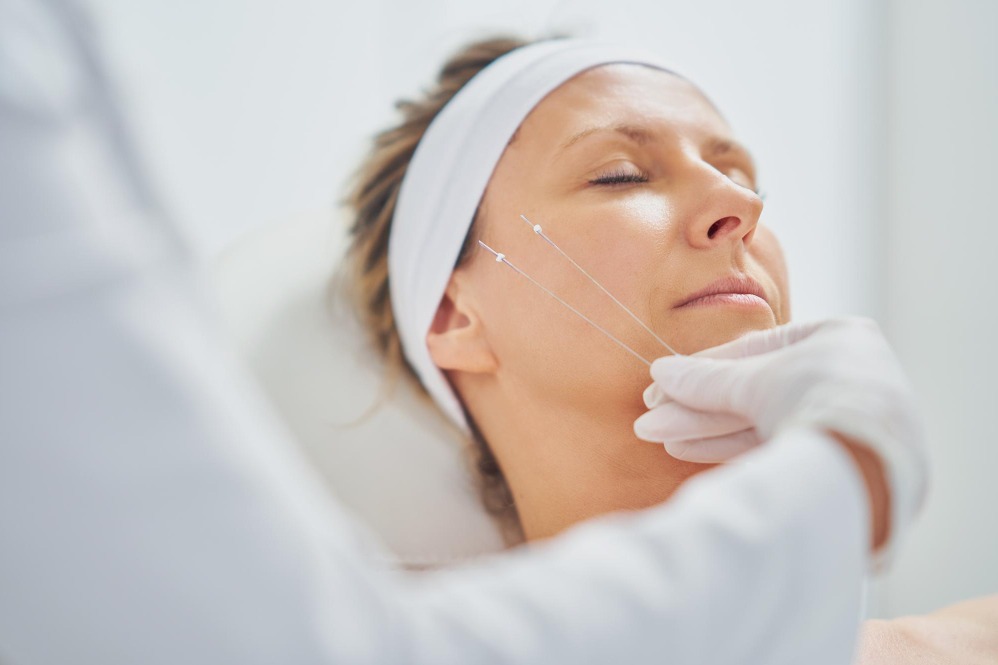
Dermal thread treatment is considered by people seeking a subtle lift or improved facial support without undergoing surgery. The procedure involves placing specialised threads beneath the skin to reposition selected tissue and, depending on the thread type, support collagen stimulation.
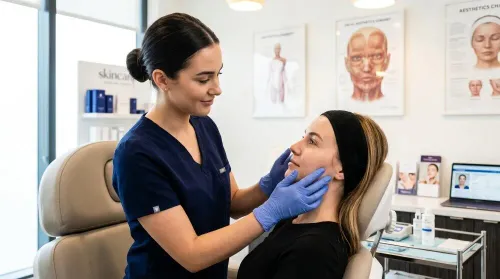
At Dr Skin N You, Dr. Atisha Patel evaluates facial anatomy, skin quality and the degree of laxity before considering dermal threads. The treatment is not suitable for every type of sagging, and results depend heavily on patient selection and treatment planning.
Are Dermal Threads the Right Option?
Threads are generally more appropriate for mild to moderate tissue laxity than for substantial excess skin. They may be considered for selected concerns involving the cheeks, jawline, lower face or brows.
A patient may be reasonably suited to treatment when:
- Skin laxity is mild or moderate
- Expectations are subtle and realistic
- Facial volume is reasonably balanced
- The skin is healthy at the proposed entry points
- There is willingness to follow recovery instructions
- Relevant medical details have been disclosed
Threads cannot reproduce the extent or longevity of a surgical facelift. Patients expecting dramatic or permanent lifting may be better served by discussing alternative options.
Dermal Thread Readiness in Andheri West
Before scheduling the procedure, consider this practical checklist.
Your concern has been correctly identified
A poorly defined jawline may result from skin laxity, facial fat, volume loss or bone structure. Threads will not address all these causes. The consultation should explain what is creating the concern and what the procedure can realistically change.
Your medical history has been reviewed
Medicines, bleeding disorders, autoimmune conditions, allergies, active infections and previous aesthetic procedures may influence suitability. Blood-thinning medicines should never be stopped without guidance from the prescribing doctor.
You have discussed earlier treatments
Previous fillers, threads, energy-based treatments or surgery can affect how a new procedure is planned. Even treatments performed several months earlier should be disclosed.
You can allow time for recovery
Temporary swelling, bruising, tenderness, tightness, dimpling or mild asymmetry may occur. Many reactions settle as the tissue adjusts, but patients should plan the procedure when they can follow activity and skincare restrictions.
You understand the limitations
Threads may provide visible support, but the extent and duration of improvement vary. Natural ageing continues, and maintenance may be discussed depending on the response.
What Happens During the Procedure?
The treatment area is cleansed and marked according to the planned direction of lift. Local anaesthesia may be used before threads are inserted through small entry points.
Procedure time depends on the number of areas treated and the type of threads used. Patients may feel pressure or pulling during placement, although comfort measures are used.
After treatment, it may be necessary to avoid vigorous facial massage, strenuous exercise, excessive facial movement and certain dental procedures for a recommended period.
Warning Signs After Treatment
Expected swelling and tenderness should gradually improve. Patients should contact the clinic if they experience increasing pain, marked redness, discharge, fever, visible thread exposure or any other unexpected reaction.
Making an Informed Decision
Dermal threads are best approached as a targeted procedure rather than a universal anti-ageing treatment. The quality of the result depends on facial assessment, suitable thread selection, placement technique and realistic expectations.
Those exploring dermal threads in Mumbai, Maharashtra, can consult Dr. Atisha Patel at Dr Skin N You for an individual evaluation. A consultation can clarify whether threads, fillers, HIFU or another approach better matches the concern and preferred recovery period.