

The decision to remove a tattoo may be personal, professional or related to dissatisfaction with its colour, placement or design. Laser tattoo removal can gradually reduce unwanted ink, but it rarely works as a one-session procedure. The number of treatments differs considerably from one tattoo to another.
Dr. Atisha Patel at Dr Skin N You evaluates the tattoo’s colour, depth, density and location before recommending a treatment plan. This assessment helps patients understand why two tattoos of similar size may require very different numbers of sessions.
How Laser Tattoo Removal Works
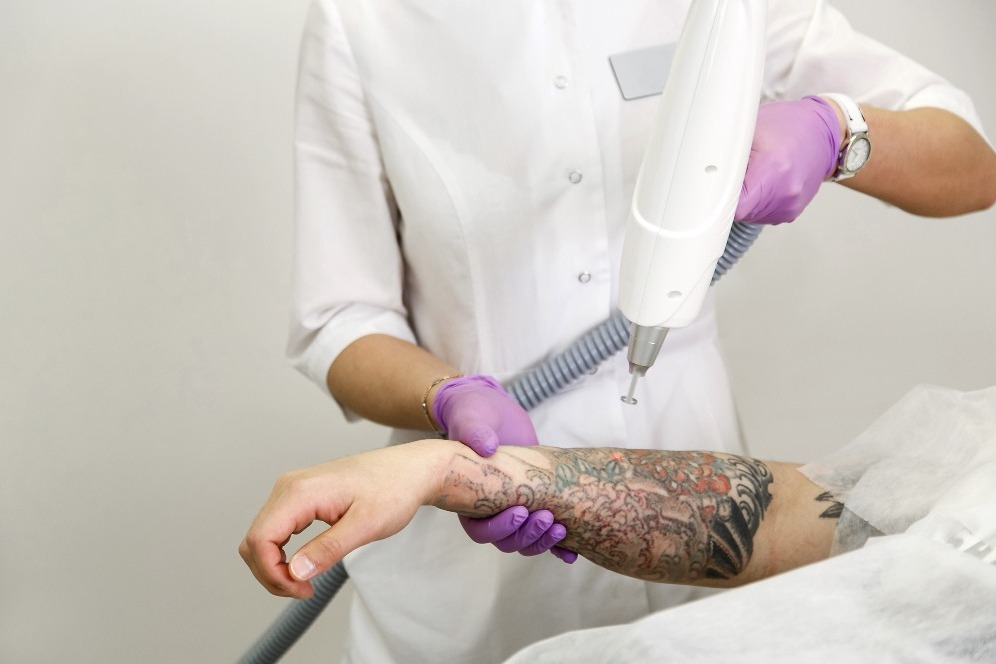
Tattoo ink is placed beneath the surface of the skin. During laser treatment, selected wavelengths of light are absorbed by the pigment. This energy breaks the ink into smaller fragments, which the body gradually processes.
Sessions are spaced apart to allow the skin to recover and the body to clear fragmented pigment. Performing treatments too frequently does not necessarily speed up removal and may increase the possibility of skin irritation or pigment changes.
Factors That Affect Tattoo Removal
Several characteristics influence how a tattoo responds:
- Ink colour: Black and darker pigments may respond differently from green, blue, red or yellow inks.
- Ink depth: Professionally applied tattoos are often placed deeper and more evenly than amateur tattoos.
- Pigment density: Heavy, layered or highly saturated ink may need more sessions.
- Tattoo age: Older tattoos may already have some natural fading.
- Tattoo location: Areas with different blood circulation patterns can clear pigment at different rates.
- Skin tone: Laser settings must be selected carefully to protect surrounding pigment.
- Cover-up work: Multiple layers of ink can make treatment more complex.
- Previous removal attempts: Scarring or colour changes may affect the plan.
Cosmetic tattoos also require special consideration because some pigments can change colour after laser exposure.
What Happens During a Session?
Protective eyewear is used, and the treatment area is prepared before laser energy is delivered. Patients often describe the sensation as a series of quick snaps against the skin. A numbing product or cooling method may be used depending on the treatment area and individual tolerance.
Temporary whitening, redness, swelling or tenderness may occur immediately afterward. Small blisters or crusting can sometimes develop as the area heals.
Tattoo Removal Aftercare in Andheri West
Mumbai’s warm, humid climate means the treated area should be kept clean and protected from unnecessary friction. Tight clothing over the treatment site can increase irritation, particularly during early healing.
Aftercare commonly involves:
- Using only the recommended cleansing and soothing products
- Avoiding scratching, peeling or bursting blisters
- Keeping the area protected from direct sunlight
- Pausing swimming and strenuous activity when advised
- Watching for increasing pain, discharge or unusual swelling
- Allowing sufficient time before the next session
Can Every Tattoo Be Completely Removed?
Complete removal cannot be promised. Some tattoos fade substantially, while others retain light pigment or a faint outline. Skin colour changes and textural differences are also possible, particularly when the tattoo has been repeatedly treated or previously scarred.
Dr Skin N You is located at Shop No. 5, Carnation Apartment, off Yari Road, near Aga Khan Society, Sunderwadi, Versova, Andheri West, Mumbai. A consultation can clarify the likely response, expected treatment intervals and whether the tattoo contains colours that may be more resistant to laser treatment.
Realistic planning is the most important part of tattoo removal. Gradual fading with adequate healing time is safer than attempting aggressive treatment for faster results.