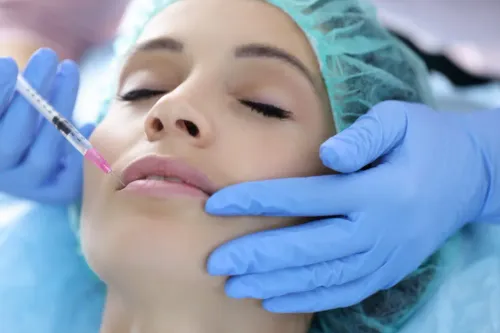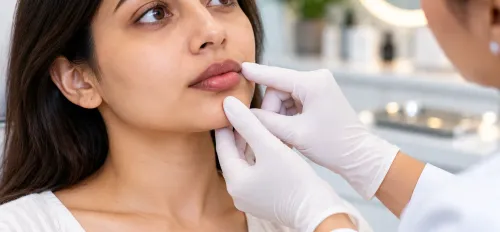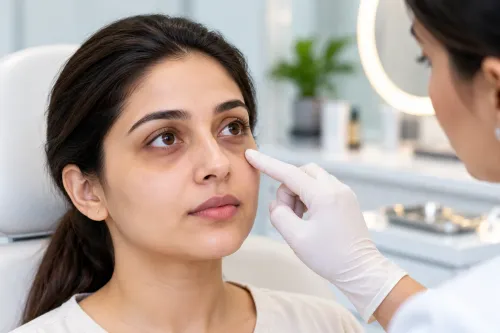



Facial ageing is not limited to wrinkles. Over time, changes in collagen, skin elasticity, facial fat, and supporting structures can alter cheek position, jawline definition, and overall facial contours. Dermal Threads in Mumbai may be considered by selected patients looking for a minimally invasive approach to mild facial lifting or tissue repositioning.
Thread procedures are not a replacement for every type of facial surgery, and patient selection has a major influence on the outcome.
What Are Dermal Threads?
Thread-based facial procedures involve placing specially designed medical threads beneath the skin through small entry points.
Depending on the type of thread and treatment objective, the procedure may be intended to provide mechanical support, reposition selected tissue, or contribute to collagen-related changes during the healing process.
Different thread designs are available, so the term “thread lift” does not refer to one identical procedure.
Which Concerns Can Threads Address?
In appropriately selected patients, threads may be discussed for concerns involving:
- Mild lower-face laxity
- Early jowl formation
- Reduced jawline definition
- Selected cheek changes
- Mild tissue descent
Someone with significant excess skin may not achieve the desired correction from threads alone.
Likewise, a patient whose main issue is volume loss rather than laxity may require a different approach.
Threads, Fillers, and Energy Treatments Serve Different Purposes
A common source of confusion is treating all non-surgical facial procedures as interchangeable.
Dermal fillers are primarily used to restore or modify volume in selected areas. HIFU and other energy-based technologies are used for different tissue effects. Threads provide another type of structural intervention.
Some patients may need only one treatment category, while others may be assessed for a staged or combination approach.
The decision should depend on anatomy rather than trends.
What Should Be Assessed Before Treatment?
Aesthetic evaluation may include:
- Degree of skin laxity
- Facial symmetry
- Tissue thickness
- Areas of volume loss
- Previous fillers
- Previous thread procedures
- Facial scars or surgery
- Desired degree of lifting
Medical history and relevant medications should also be disclosed.
What Is Recovery Like?
Temporary swelling, tenderness, bruising, tightness, or skin irregularity can occur after a thread procedure.
Patients may receive instructions about facial movement, exercise, sleeping position, skin care, and other activities during early recovery.
Individual recovery varies, so social or professional commitments should be considered when scheduling treatment.
Choosing a Provider in Mumbai
Thread placement requires a detailed understanding of facial anatomy. Price alone should therefore not determine where a patient undergoes treatment.
Ask who will perform the procedure, what type of threads are being proposed, why those threads suit your concern, what improvement is realistically expected, and what potential complications will be discussed.
At Dr Skin N You, patients considering dermal threads can undergo facial assessment before determining whether thread-based treatment fits their aesthetic goals.
For Mumbai patients seeking subtle facial rejuvenation, the best candidate is generally someone whose concern can realistically be addressed by the procedure. Proper assessment prevents a common aesthetic-treatment mistake: choosing the treatment first and trying to make the face fit the procedure afterwards.