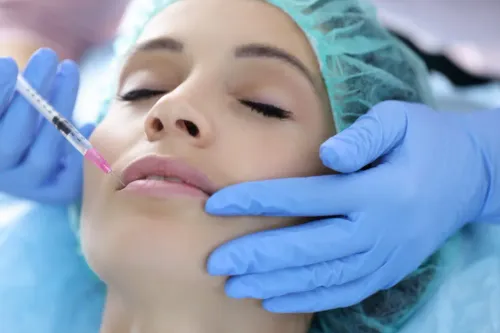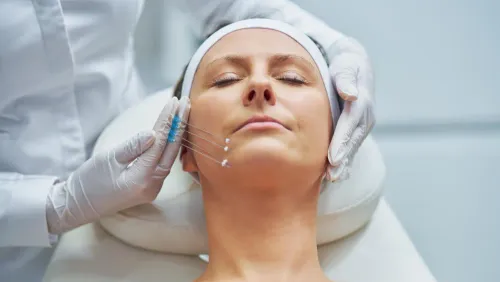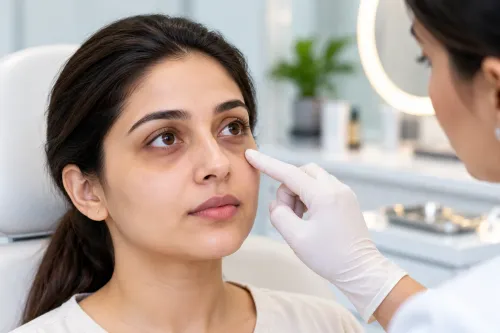


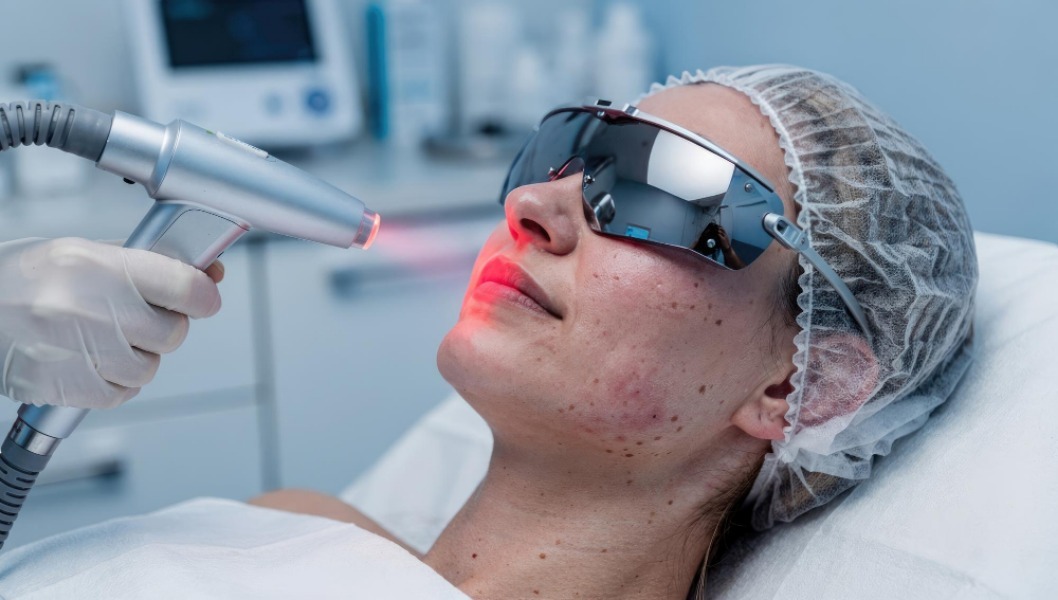
Uneven pigmentation can appear as dark spots, sun-related patches, post-acne marks, or areas of discolouration that make the skin tone look irregular. For people exploring Q-Switched Laser Treatment in Mumbai, understanding how the procedure works and whether the pigmentation is suitable for laser treatment is an important first step.
Mumbai’s strong sun exposure, heat, humidity, and daily outdoor travel can also influence pigmentation. This makes correct diagnosis and appropriate aftercare particularly important when considering a laser-based procedure.
How Does Q-Switched Laser Treatment Work?
A Q-switched laser delivers very short pulses of laser energy to selected pigment in the skin. The aim is to target pigment while limiting unnecessary exposure to surrounding tissue.
Depending on the diagnosis and the laser system being used, dermatologists may consider Q-switched technology for concerns such as:
- Certain superficial pigmentation
- Selected sun spots
- Freckles
- Some post-inflammatory marks
- Uneven-looking skin tone
- Certain tattoo pigments
Not every dark patch should automatically be treated with a laser. Melasma, post-inflammatory pigmentation, and other pigmentary conditions can behave differently, which is why identifying the cause matters.
Why Pigmentation Assessment Comes First
Two patients may have similar-looking brown patches but require very different treatment plans. Before recommending laser treatment, a dermatologist may assess the colour, depth, distribution, duration, triggers, and previous treatments used.
The evaluation may also consider whether pigmentation becomes darker after sun exposure or skin irritation.
This is particularly relevant for Indian skin tones because inappropriate laser parameters or unsuitable treatment can increase the possibility of temporary darkening or lightening of the treated area.
What Happens During a Session?
The skin is generally cleansed before treatment. Protective eyewear is used, and the laser is applied to the selected area according to the treatment plan.
Patients may experience a mild snapping, tingling, or warming sensation. The experience varies according to the area being treated, the laser settings, and individual sensitivity.
Some temporary redness or sensitivity may occur afterwards.
How Many Sessions Are Needed?
There is no universal session number for pigmentation treatment. The required course depends on factors such as:
- Type of pigmentation
- Depth of pigment
- Size of the treatment area
- Skin type
- Previous procedures
- Response to initial sessions
- Continued sun exposure
A treatment plan should therefore be based on clinical response rather than an arbitrary package of sessions.
Aftercare Matters as Much as the Procedure
Laser treatment does not remove the need for daily skin care. In many pigmentation concerns, preventing recurrence is an important part of management.
Patients may be advised to follow appropriate sun protection, avoid unnecessary rubbing or exfoliation, and temporarily discontinue irritating products depending on the dermatologist’s instructions.
Mumbai residents who spend considerable time commuting outdoors should be especially consistent with photoprotection.
When Should You Consider a Dermatologist Consultation?
A consultation is useful when pigmentation is persistent, repeatedly returns, has changed recently, or has not responded to over-the-counter products.
At Dr Skin N You, patients considering Q-Switched Laser Treatment can be assessed according to their pigmentation pattern, skin type, and previous treatment history. A dermatologist can then explain whether laser treatment is appropriate or whether another approach may be more suitable.
The most effective pigmentation plan begins with knowing exactly what is being treated. Q-switched technology can be useful for selected concerns, but careful patient selection, suitable settings, realistic expectations, and consistent aftercare remain essential.